christmas
Musical Christmas Greeting Cards: Why Families Are Switching From Paper
Published 27 October 2026
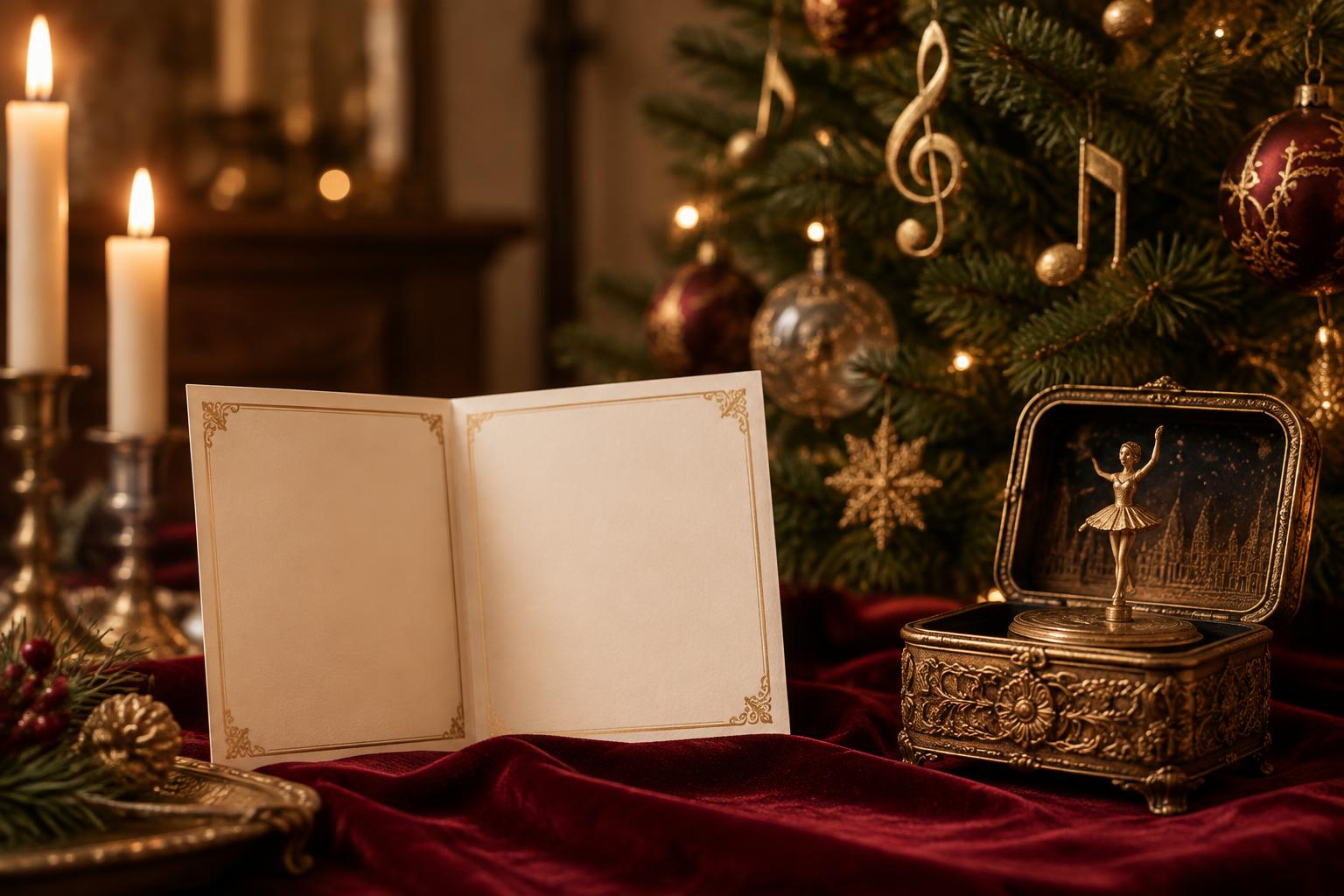
The Christmas card is not dying — it is changing format. More Australian families each year are sending musical Christmas greeting cards: digital cards that open with animation, carry photos and a written message, and play music when they arrive. Here is what they are, why the switch is happening, and how to send one well.
What a musical Christmas card actually is
Think of the best paper card you ever received, then remove every limitation. A musical Christmas card is a digital card that opens with a animated reveal, displays your written message and family photos, plays music — and can carry a recorded voice greeting or even a fully personalised song. It arrives by link and email, works on any phone or computer, and can be opened again whenever the recipient likes.
Prices start from $19.99, with options to add photo carousels, voice greetings and personalised songs.
Why families are switching
It actually arrives — on time
Australian postal cut-offs now fall in mid-December, earlier for overseas. A digital card arrives in minutes, on the day you choose, whether the recipient is in the next suburb or the northern hemisphere. Our posting deadlines guide shows just how early the paper window closes.
It carries more of you
A paper card fits a sentence. A musical card carries a proper written message, a carousel of the year''s photos, and the voices of the grandchildren. For family overseas, that difference is everything.
It costs less than it looks
Once you add up a quality paper card, a stamp — and international postage if family is abroad — a musical card from $19.99 is comparable or cheaper, and incomparably richer.
Nothing ends up in the bin
Paper cards head to recycling in January. Digital cards are kept, replayed and revisited. For the environmentally minded, our eco-friendly Christmas cards guide covers this angle in full.
Paper vs digital: the honest comparison
Paper still wins in exactly one place: the mantelpiece. If your recipient loves a physical display, send them a paper card too. For everyone else — and especially for anyone far away — digital wins on arrival time, content, cost and longevity. We break the whole question down in digital vs paper Christmas cards.
How to send one well
Write the message properly. The format is impressive; the words are what matter. If you are stuck, what to write in a Christmas card has wording you can adapt.
Add photos. A few photos from the year turn a card into a keepsake.
Consider the voice greeting. Thirty seconds of the grandchildren saying hello is the single most replayed feature.
Schedule it. Cards can be scheduled, so you can organise everything now and have it arrive on Christmas morning.
Who to send them to
Grandparents and far-away family first — that is where the format shines brightest. Then friends you would normally text, teachers, and the wider list that paper never quite reaches. For wording by recipient, see our guides to messages for friends and messages for Mum and Dad.
Send your first one
Create a musical Christmas card — choose a design, write your message, add photos and music, and preview everything before it is sent. Ten minutes now, delivered exactly when you want it.
Frequently Asked Questions
What is a musical Christmas greeting card?
A digital Christmas card that opens with animation, carries your written message and photos, and plays music. It can also include a voice greeting or a personalised song, arrives by link and email within minutes, and starts from $19.99.
Are digital Christmas cards better than paper?
For most recipients, yes: they arrive on time anywhere in the world, carry photos, music and voice messages, and are kept rather than recycled. Paper still wins for mantelpiece display, so some families send both.
How much does a musical Christmas card cost?
Musical Christmas cards at Celebrate Magic Moments start from $19.99, with optional extras such as photo carousels, voice greetings and a personalised song.