general
Corporate Event Planning: The 2026 Playbook for Teams, Launches & Off-Sites
Published 28 June 2026
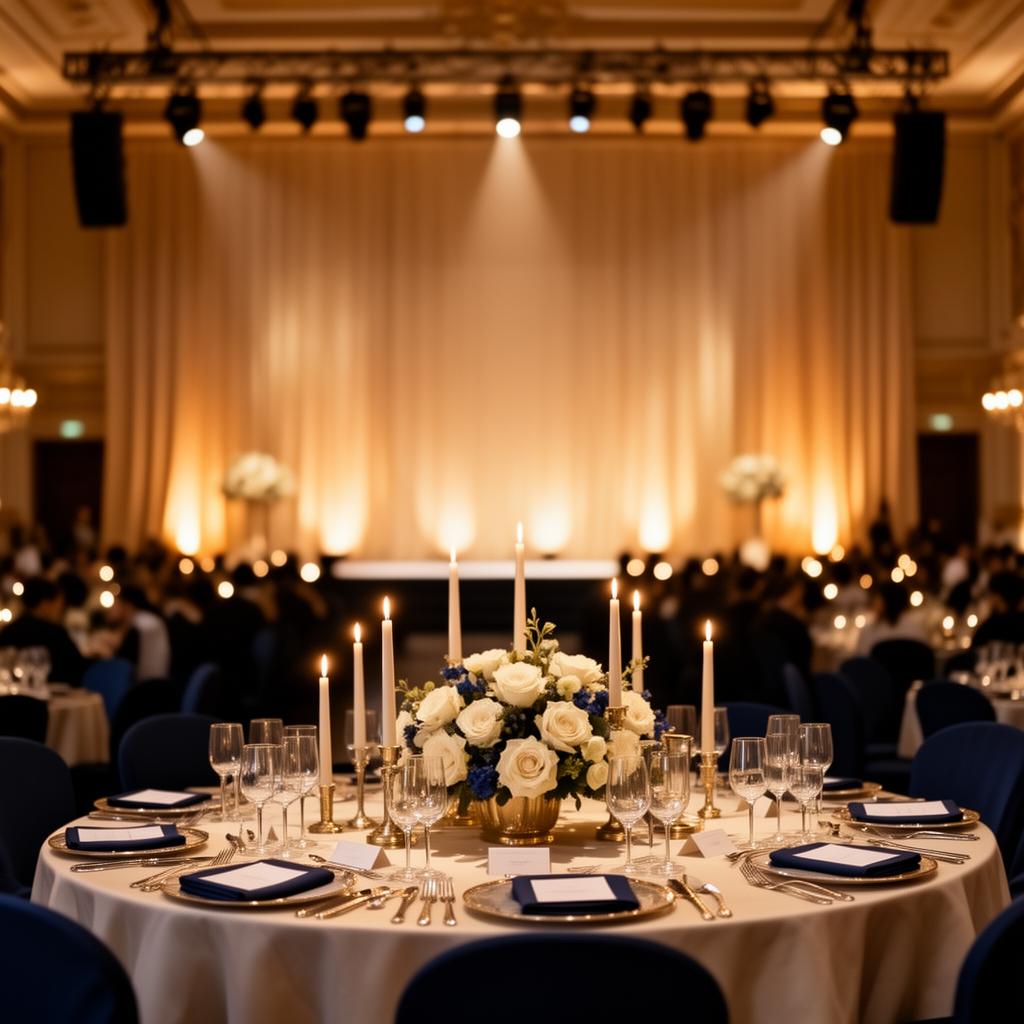
Corporate event planning in 2026 looks nothing like it did five years ago. Hybrid is the default, attention spans are shorter, and your people have sat through enough generic ballroom dinners to spot a copy-paste agenda from the parking lot. The events that actually work — that move the morale needle, the retention number or the sales pipeline — share a different set of fundamentals.
This is the playbook the best in-house corporate event planners are using right now.
Start with the metric, not the agenda
Every corporate event should have one — and only one — measurable goal. Examples:
- Off-site: 90% of team rates "I feel reconnected to my colleagues" 8/10 or higher.
- Product launch: 250 qualified pipeline conversations within 14 days.
- EOY party: 95% attendance, post-event NPS 50+.
- Client appreciation: 30% increase in expansion conversations the following quarter.
Write the metric on the brief. Every line item — venue, food, format, swag — gets filtered through "does this serve the metric?". If it doesn't, cut it.
The 4 corporate event archetypes (pick one)
1. Connection events (off-sites, EOY parties)
Goal: people remember they like each other. Format: 60% unstructured time, 30% shared activity, 10% formal program. The biggest mistake: over-programming. Give people room to talk.
2. Energy events (kickoffs, all-hands)
Goal: aligned momentum. Format: tight 90-minute keynote, breakouts, recognition moments. The biggest mistake: leadership monologues. Cut speaker count in half, double the recognition.
3. Pipeline events (launches, customer dinners)
Goal: qualified conversations. Format: intentionally smaller (40 hand-picked guests beats 400 random ones). The biggest mistake: confusing attendance with success — 400 unqualified faces don't beat 40 right-fit ones.
4. Recognition events (awards, retirements)
Goal: the honoree feels seen by the whole organisation. Format: personalised moments do the heavy lifting — a video tribute, a custom song, an animated card from teammates. The biggest mistake: a generic plaque and a 4-minute speech.
The 8-week corporate event timeline
- Week 8: Write the metric, get budget approval, choose a date.
- Week 7: Venue shortlist + site visit. For hybrid events, lock the AV partner before the venue.
- Week 6: Send save-the-dates and open registration.
- Week 5: Lock vendors, build the run-sheet draft, brief speakers.
- Week 4: Send the formal digital invitation with RSVP tracking and a clear agenda.
- Week 3: Plan the "moments" — personalised recognitions, surprise videos, a hero song for the company milestone.
- Week 2: Run-sheet final, dress rehearsal for keynotes, dietary list to caterer.
- Week 1: Walkthrough, final headcount, brief the on-the-day team.
Hybrid is the default — design for it
Treat the remote audience as a first-class audience, not a stream. That means: a dedicated remote MC, breakouts that mix in-room and remote, a chat moderator who feeds questions to the stage, and recognition moments that work on both screens. If you're filming a tribute or launch video, deliver it as a shareable link guests can rewatch at home — see real examples on our samples page.
The personalisation move that lifts every corporate event
Whether it's an off-site, an awards night or a retirement, the highest-leverage line item costs under AU$100: a personalised piece for the honoree (or for the company milestone itself). Options:
- A personalised song with the team's story in the lyrics — plays during the recognition moment.
- An animated greeting card collecting 30-second voice messages from every team member.
- A 60-second tribute video built from photos of the year.
These are the moments people post on LinkedIn the next morning. Generic plaques are not.
The 5 corporate event mistakes that kill ROI
- Vague goal. "We just want a good night" isn't a goal. It's how you spend AU$50k and measure nothing.
- Too many speakers. Cut by half. Add 10 minutes of unstructured time instead.
- Generic recognitions. A plaque is a placeholder. A personalised song is the moment.
- Skipping the post-event close. A thank-you, photo link and follow-up call within 5 days is where the ROI actually lands.
- Under-investing in invitations. Bad invitations = bad attendance = bad event. The fix is cheap and instant — see why digital invitations with RSVP tracking dominate corporate events now.
Budget benchmarks (Australia, 2026, per attendee)
- Team off-site: AU$200–500/head
- EOY party: AU$150–350/head
- Product launch: AU$300–800/head
- Awards night: AU$250–600/head
- Personalised moments line item: AU$50–200 total, regardless of attendee count
Spend less on the swag bag. Spend more on the moment. Compare what's included for the personalised pieces on the pricing page — for the price of one corporate water bottle, you can lift the entire event.

Frequently Asked Questions
What's the ideal length for a corporate event?
Connection events: 4-8 hours. Energy events: 90 minutes – 3 hours. Pipeline events: 2-3 hours. Recognition events: 90 minutes maximum, tightly scripted. Longer almost always reduces impact, not increases it.
Should corporate events be in-person, virtual or hybrid?
Hybrid is the safe default in 2026 — it captures the in-person magic and removes the travel barrier for the 20-30% of attendees who otherwise wouldn't come. Treat remote attendees as a first-class audience with their own MC and chat moderator.
How do I make a corporate event feel less generic?
Cut the speaker count, add unstructured time, and invest in 1-2 personalised moments (a tribute song, an animated card, a custom video). Those are what guests post about the next morning.
What's the right budget for a corporate event in Australia?
Team off-sites run AU$200-500/head, EOY parties AU$150-350/head, launches AU$300-800/head and awards nights AU$250-600/head. A personalised moments line item is AU$50-200 total and tends to be the highest-ROI line on the budget.
How far in advance should I send corporate event invitations?
Save-the-dates 8 weeks out, formal invitation with full agenda 4 weeks out, calendar holds confirmed by reply 2 weeks out. For external client events, double those timelines.