get well soon
Why Digital Greeting Cards Are Growing in Popularity
Published 3 July 2026
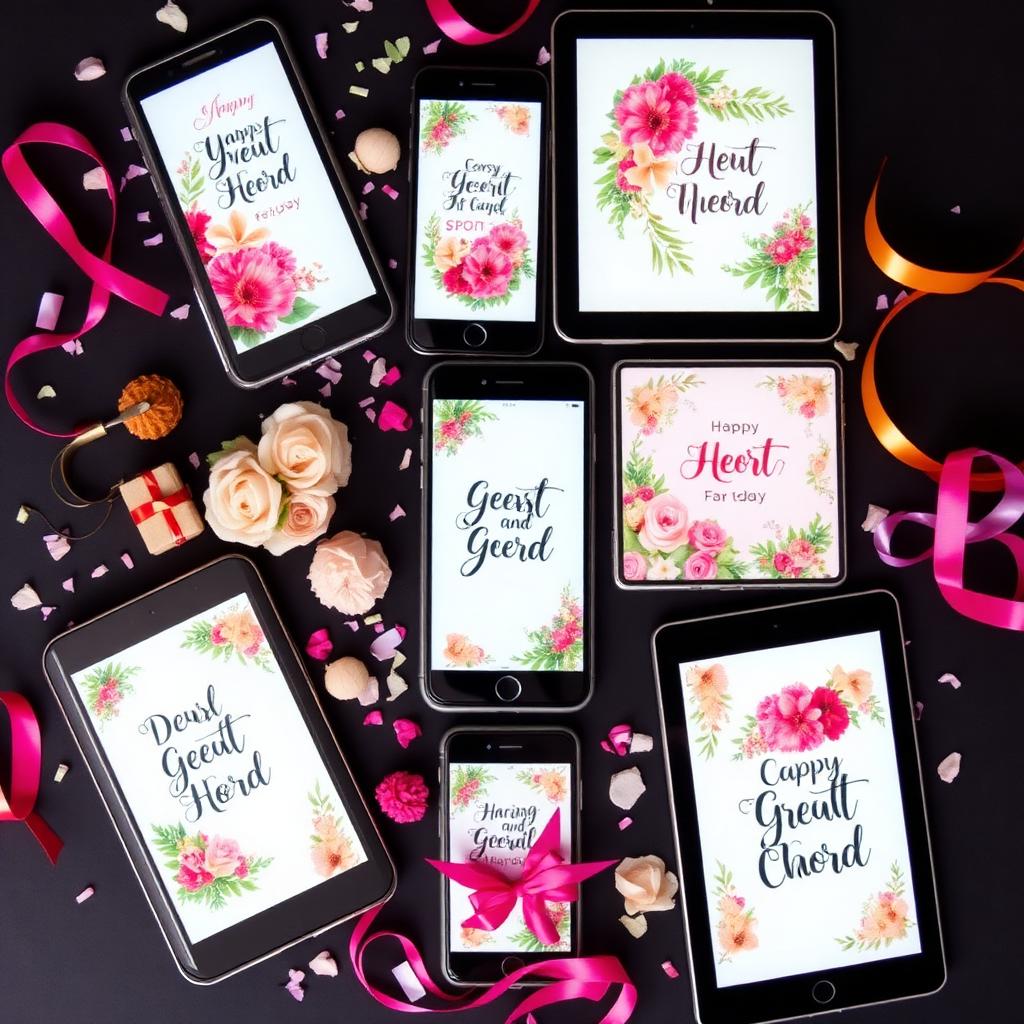
Five years ago, "digital greeting card" mostly meant a cartoon GIF in an email. Today, digital greeting cards include photo carousels, voice greetings, custom-written songs and animation that genuinely moves people. The category is growing fast — and not because paper is dying. It's growing because the new generation of digital cards finally feels personal.
1. They arrive instantly — and modern life is last-minute
The biggest reason people switch is simple: digital cards land the moment you send them. No "did it arrive?" guessing. No spending more on tracked postage than the card cost. For get well soon, condolence, long-distance birthdays and last-minute moments, that speed matters more than the physical object.
2. The personalisation gap has closed
For years, paper cards won on personalisation simply because you wrote in them by hand. That's no longer true. Modern digital cards let you:
- Add photos that mean something to both of you
- Record your real voice saying their name
- Add a song written specifically about them
- Choose a theme that matches the occasion exactly
That stack of features can't be matched on paper. See personalised get well soon cards for a worked example.
3. People send more cards overall
Counterintuitively, digital hasn't reduced the number of cards people send — it's increased it. When sending a card takes five minutes instead of a Sunday afternoon, more people send for more occasions: "thinking of you", new job, exam week, a tough day. Paper cards were reserved; digital cards are generous.
4. Long-distance relationships are the new normal
Families, friends and colleagues are increasingly spread across countries. Posting a card from Sydney to London takes a week and costs more than the card. A digital card with a recorded voice and a song bridges that distance in seconds — and arrives with more emotional weight than a piece of paper that took ten days.
5. Sustainability is now a tiebreaker
Each paper card creates roughly 140g of CO₂ once paper, ink, envelope and postage are accounted for. Multiply that by birthdays, Christmas, weddings and condolences across a year and the footprint adds up. Digital cards have a tiny fraction of that impact — for many younger senders that's enough to tip the choice.
6. Music and voice are emotional cheats
The science is clear: hearing someone's voice and familiar music both trigger stronger emotional responses than reading text. Digital cards stack both. A short voice greeting plus a personalised song does more emotional work in 30 seconds than the most beautifully handwritten card.
7. Replayability is underrated
A paper card is read once, displayed for a month, and put away. A digital card can be replayed forever — on the bad day, the anniversary, the moment the recipient needs a lift. That long tail of comfort is unique to the format.
8. The tech finally works on a phone
Older eCards required apps, logins or clunky email previews. Modern digital cards open with a single tap on any phone or tablet — no app required, no account to create. That removed the last big friction for older recipients.
What's next for digital greeting cards
- Custom songs. Already mainstream — every great card platform now offers them.
- Voice greetings as the default. The card with no voice will feel oddly bare within a year or two.
- AI-assisted writing for people who freeze on what to say.
- Group cards where 20 people contribute photos, voices and clips in one place.
Try one yourself
If you've never sent a personalised digital card, do one this week. Start with a get well or thinking-of-you card, add a few photos and a 20-second voice greeting, and send it. You'll see the difference in the reply you get back.
More reading: digital vs traditional greeting cards and best digital get well soon cards.